Guide for parents
Hindi nursery rhyme channels compared: finding the right balgeet fit
Infobells, ChuChu TV, Videogyan, Kiddiestv and more — how the big Hindi nursery rhyme channels differ, which age each suits, and how to keep rhyme time from becoming an autoplay marathon.
Affiliate disclosure: some links on this page are Amazon affiliate links. If you buy through them we may earn a small commission at no extra cost to you. This does not affect which shows we recommend.
Every Hindi rhymes channel looks the same in a thumbnail grid: bright colours, big-eyed animals, a smiling toddler. Watch twenty hours of them — we have — and they’re actually quite different in pace, tradition, and how gracefully they handle the youngest viewers. Here’s how the big official channels compare.
The pure balgeet channels (Hindi only)
Infobells - Hindi
The biggest of them all, and deservedly so. Infobells sticks to the classics — Bandar Mama, Hathi Raja, Chunnu Munnu — with gentle pacing and a recurring toddler cast. A friendly cartoon bhoot pops up in a few rhymes, played entirely for giggles. Videos run from three-minute singles to fifteen-minute medleys, which makes short sessions easy to enforce. Best for: 2–4 year olds, and the first channel we’d try.
ChuChu TV Hindi
The Hindi arm of the ChuChu TV empire. More polished, more modern-looking animation than Infobells, with learning songs (Hindi Varnamala, counting) mixed into the rhymes. The visual density is a notch higher — more motion, more cuts — which some toddlers love and some find overstimulating. Best for: 2–5 year olds who want a little more energy.
Kiddiestv Hindi
The most traditional catalog of the bunch: the sick mouse on Tuesday, Chanda Mama, the lion and the mouse. Production is more workmanlike than the two above — busier visuals, louder music — but the Hindi is clear and the classics are all here. Best for: families who want the exact rhymes they grew up with.
Videogyan Hindi
Splits its catalog between Minnu & Mintu rhyme medleys (half-hour compilations, useful for a longer supervised sitting) and short animated fables — The Thirsty Crow, The Three Little Pigs — retold gently in Hindi. The fables make it a natural next step when your toddler starts wanting stories, not just songs. Best for: 3–5 year olds transitioning from rhymes to stories.
The mixed-catalog channels
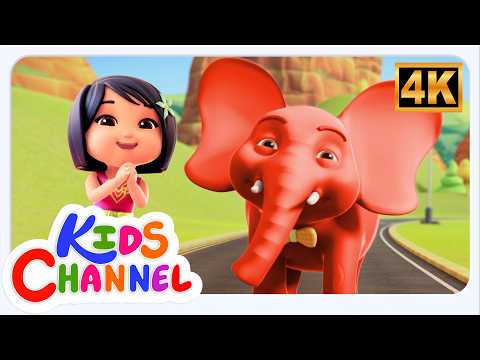
Kids Channel India
Alternates Hindi classics with English preschool staples (Incy Wincy Spider, London Bridge). If you’re raising a bilingual child, that rotation is a feature; if you specifically want Hindi immersion, it’s a dilution. Best for: bilingual households.
Jingle Toons
A two-decade-old Indian animation studio whose channel pairs balgeet with narrated story videos — fairy tales, jadui kahaniyan, original shorts. The rhymes suit toddlers; the stories, with their witches and fairy-tale peril, sit better with 4+. The Hindi here is noticeably more traditional and carefully spoken than on any other channel in this guide. Best for: hearing proper, unhurried Hindi.
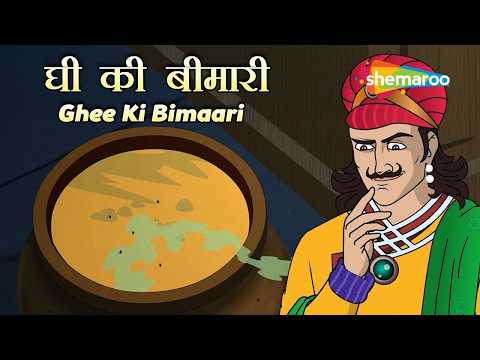
Shemaroo Kids Hindi
Balgeet plus habit songs plus Akbar-Birbal and Bal Ganesh story episodes. The catalog swings from gentle to dramatic depending on what autoplay serves next, so this one rewards picking specific videos rather than letting it run. Best for: 4+ with a parent choosing the videos.
The one rule that matters more than channel choice
Whichever channel you pick, the failure mode is the same: autoplay turns a song into a marathon. Every episode we embed on this site is click-to-play with no autoplay chaining — open the channel’s page here, pick two or three songs, and rhyme time stays the size you intended.
Shows featured in this guide
Shows covered in this guide
 Ages 2–6
Infobells - Hindi
इन्फोबेल्स हिंदी
Infobells' Hindi channel is one of the biggest nursery-rhyme destinations in the country, and it stays firmly in toddler territory: classic balgeet like Bandar Mama and Hathi Raja, habit songs about bathing and sharing, and colour-and-counting videos.
- educational
- family
 Ages 2–6
ChuChuTV Hindi
चूचू टीवी हिंदी
ChuChu TV Hindi is a long-running nursery rhyme channel that adapts the popular ChuChu TV format into Hindi.
- educational
- family
- friendship
 Ages 2–6
Videogyan Hindi Nursery Rhymes
वीडियोज्ञान हिंदी
Videogyan's Hindi channel splits into two formats: Minnu & Mintu balgeet compilations — half-hour medleys of classic Hindi rhymes in bright 3D animation — and short animated bedtime stories retelling familiar fables like The Thirsty Crow and The Three Little Pigs.
- educational
- moral
- nature
 Ages 2–6
Kiddiestv Hindi - Nursery Rhymes & Kids Songs
किडीज़टीवी हिंदी - नर्सरी राइम्स एंड किड्स सॉन्ग्स
This is a straightforward Hindi nursery rhymes channel aimed squarely at the toddler and preschool crowd.
- educational
- family
- nature
 Ages 2–6
Kids Channel India - Hindi Rhymes and Baby Songs
किड्स चैनल इंडिया - हिंदी राइम्स एंड बेबी सॉन्ग्स
This channel is a colorful mix of classic Hindi nursery rhymes, English preschool songs, and short cartoon stories aimed squarely at toddlers and young preschoolers.
- educational
- family
- friendship
 Ages 3–8
Jingle Toons
जिंगल टून्स
Jingle Toons is a long-running Indian animation studio whose channel mixes traditional Hindi balgeet (Nani Teri Morni, Hathi Raja, Mera Tota) with narrated story videos — fairy tales like Snow White, jadui stories and original adventure shorts.
- moral
- educational
- family
 Ages 4–10
Shemaroo Kids Hindi- Balgeet & Children's Songs
शेमारू किड्स हिंदी - बालगीत और बच्चों के गाने
This Shemaroo channel is a mixed bag of Hindi content for kids, ranging from simple nursery rhymes and habit-building songs (like one about cleaning your room) to longer folk-tale style story episodes featuring Akbar-Birbal, Bal Ganesh, and silly-servant comedy stories like Buddhuram.
- moral
- educational
- comedy
Frequently asked questions
Which Hindi nursery rhymes channel is best for a 2-year-old?▾
Infobells and ChuChu TV Hindi are the two we'd start with. Both keep videos short, animate at a calm pace, and stick to classic balgeet with simple, repetitive Hindi. Between them it's mostly a style preference — Infobells leans more traditional, ChuChu TV more polished and Western in look.
Are Hindi rhymes actually good for language development?▾
Repetition is how toddlers acquire vocabulary, and rhymes are engineered repetition. A child who hears Hathi Raja and Chanda Mama daily picks up nouns, rhythms, and sentence shapes without any teaching. It works best when a parent sings along sometimes — the rhyme becomes shared language instead of just screen output.
What's the difference between a rhymes channel and a compilation channel?▾
The channels in this guide produce their own animation and own the rights to it. Compilation channels stitch together other people's videos, often without permission and often padded with low-effort AI content. A quick check: real studios have a consistent art style across their catalog; compilations look different video to video.
How long should rhyme-watching sessions be for toddlers?▾
Short and bounded beats long and open-ended. A practical pattern: two or three individual songs (under ten minutes total) with a clear 'last one' announced in advance. The single biggest upgrade is turning off autoplay — a three-minute song becoming a three-hour medley is how most rhyme marathons happen.
Should I pick a Hindi-only channel or a bilingual one?▾
If your goal is Hindi exposure, pick Hindi-only — channels like Infobells and Kiddiestv keep everything in Hindi, so every minute counts. Bilingual channels like Kids Channel India mix English rhymes into the rotation, which suits households that want both languages but dilutes the Hindi.